
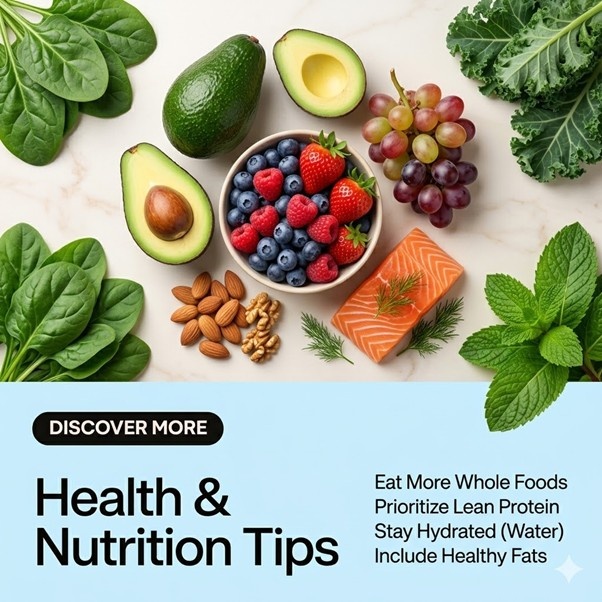
Why Nutrition Still Feels Complicated (But Doesn’t Have To)
Nutrition advice is everywhere, conflicting headlines, new fad diets, celebrity meal plans, and a thousand “best” ways to eat. That noise makes it feel impossible to know what actually works. The truth is simpler: consistent, evidence-based nutrition habits are what move the needle. This post collects the best health and nutrition tips you can use today, practical steps, global diet ideas (including Chinese diet tips and Korean diet tips), and simple ways to make healthy eating sustainable. I’ll also walk you through a clear plan to simplify healthy eating so it fits your life, not the other way around.
I always felt I was lacking discipline somewhere. But we need to understand, building discipline takes time. Till then, you need to celebrate your small wins. One step at a time.
Understanding Nutrition: The Building Blocks of Health
Nutrition is not about strict rules; it’s about supplying your body with the right mix of building blocks. Those blocks come as macronutrients (protein, carbohydrates, fats) and micronutrients (vitamins and minerals). When balanced, they support energy, focus, immunity, mood, and long-term health.
Macronutrients: The Big Three
- Protein helps build and repair tissue, supports muscle mass, and satiety. Good sources: eggs, lentils, fish, chicken, tofu.
- Carbohydrates fuel activity and brain function. Prioritize whole grains, beans, fruits, and starchy vegetables.
- Fats are essential for hormone regulation and brain health. Favor unsaturated fats from nuts, seeds, avocado, and oily fish.
Micronutrients: Small But Mighty
Vitamins and minerals (vitamin D, iron, B12, magnesium, etc.) affect energy levels, mood, sleep, and immune response. A varied diet with colorful vegetables, fruits, whole grains, and lean proteins will cover most needs; supplements should be used based on lab results or a healthcare provider’s advice.
Why Balance Beats Perfection
Chasing perfect macronutrient ratios every day is stressful and unsustainable. Instead, aim for balance across the week — focusing on whole foods, hydration, and consistent meal patterns. These are the core healthy diet tips that actually stick.
10 Practical Health and Nutrition Tips You Can Start Today
Below are pragmatic, research-aligned tips that form the backbone of a sustainable diet. Each tip is designed to be actionable and repeatable.
1. Eat Whole, Minimally Processed Foods Most of the Time
Whole foods, fruits, vegetables, whole grains, lean proteins, legumes, and nuts contain nutrients and fiber that ultra-processed foods lack. Research from major public health institutions consistently links whole-food diets with lower chronic disease risk. Make whole foods your default.
2. Prioritize Protein at Each Meal
Protein increases satiety and helps maintain muscle, especially important as we age. Even a modest protein portion (20–30g) at breakfast, lunch, and dinner makes a big difference in appetite control and metabolic health.
3. Make Vegetables the Centerpiece
Vegetables provide fiber, micronutrients, and phytonutrients. Aim for color variety: leafy greens, cruciferous vegetables, and orange and red veggies to capture a broad spectrum of nutrients.
4. Practice Portion Awareness, Not Obsessive Counting
Portion control prevents chronic overeating. Use simple visuals: a palm-sized protein, a fist-sized carbohydrate, two cupped hands of vegetables, and a thumb of healthy fats per meal. This is one of the easiest healthy eating tips to implement.
5. Hydrate First, Coffee Later
Drink a glass of water on waking to rehydrate. Proper hydration supports digestion, cognitive clarity, and metabolism. Caffeine is fine, but hydration first.
6. Limit Refined Sugar and Ultra-Processed Snacks
High added sugar intake correlates with weight gain, metabolic issues, and energy crashes. Replace refined snacks with whole-food alternatives: fruit, nuts, yogurt, or homemade energy bites.
7. Include Fermented Foods or Probiotics (Link to Gut Health Blog)
Foods like yogurt, kefir, kimchi, and sauerkraut can help maintain a healthy gut microbiome important for digestion, immunity, and even mood. (See our Gut Health Article for a deep dive.)
8. Use Simple Meal Templates
Simplify decision-making with meal templates: grilled protein + roasted vegetable + whole grain or salad + vinaigrette. Templates make cooking faster and healthier.
9. Cook at Home More Often
Home-cooked meals are usually lower in added sugars and unhealthy fats than restaurant food. Time-poor? Batch cook on weekends or use one-pot recipes.
10. Practice Mindful Eating
Slow down, eat without screens, and notice hunger and fullness cues. Mindful eating reduces overeating and helps you enjoy food more.
Global Diet Inspirations: What We Can Learn from Chinese and Korean Eating Habits
Sometimes the best healthy diet tips come from traditional eating patterns that have stood the test of time. Two examples Chinese and Korean approaches, offer lessons we can borrow.
Chinese Diet Tips: Balance and Vegetable-Forward Plates
Traditional Chinese meals emphasize balance and variety: steamed vegetables, soups, small portions of lean proteins, and tea. The emphasis on soups and vegetables can increase hydration and nutrients while controlling caloric density. Also, the cultural habit of sharing small portions encourages variety without excess.
Actionable idea: Start meals with a light vegetable soup or broth to improve satiety and nutrient intake.
Korean Diet Tips: Fermentation and Vegetables
Korean cuisine features a range of fermented foods (kimchi, fermented soybean paste) and vegetable side dishes (banchan). Fermented foods support gut health; the regular inclusion of fermented vegetables is a low-cost, high-impact habit.
Actionable idea: Add one small fermented side (kimchi, pickled vegetables, yogurt) to a meal a few times per week.
By adopting small elements from these traditional diets, you get nutrient density, gut-supporting foods, and culturally-rooted eating patterns that support longevity and health.
How to Simplify Healthy Eating: Practical Steps for Busy People
The single biggest barrier to healthy eating is complexity. Here are simple systems to simplify healthy eating so it’s easy to sustain.
1. Build a Weekly Meal Framework
- Choose 3 breakfast templates, 3 lunch templates, 3 dinner templates. Rotate them.
- Example: Breakfast = overnight oats / eggs & toast / smoothie. Lunch = grain bowl / salad + protein / leftovers. Dinner = stir-fry / baked fish + veg / soups.
2. Grocery List Strategy: Shop by Sections, Not Recipes
Make a list with protein, produce, grains, dairy/alternatives, healthy fats, and snacks. Shopping this way reduces decision fatigue and speeds up trips.
3. Meal Prep 1–2 Hours Per Week
Batch blanch vegetables, roast a tray of mixed veggies, cook a grain, and prepare a protein. Combine during the week into simple meals.
4. Use the Plate Method
Fill half your plate with vegetables, a quarter with protein, and a quarter with whole grains or starchy vegetables. This visual approach keeps portions balanced without weighing or counting.
5. Keep Healthy Convenience Foods on Hand
Hard-boiled eggs, pre-washed greens, canned beans, Greek yogurt, frozen fruit, and pre-cooked grains can save time and keep you on track.
6. Practice “75% Good Enough”
Aim to make 75% of your meals whole-food based; the other 25% can be flexible. This mindset keeps you consistent without perfectionism.